The Thrill of Uncertainty
The allure of casino gambling lies in the unpredictability of outcomes. Players are drawn to the excitement that comes with not knowing whether they will win or lose. This uncertainty creates an adrenaline rush, often prompting individuals to seek out the experience repeatedly. The thrill of the gamble serves as a powerful motivator, making players forget the potential risks involved, and instead, focus on the exhilarating moments that can arise from a single roll of the dice or spin of the slot machine. Many players find themselves exploring poker sites as part of their journey into the world of gambling.
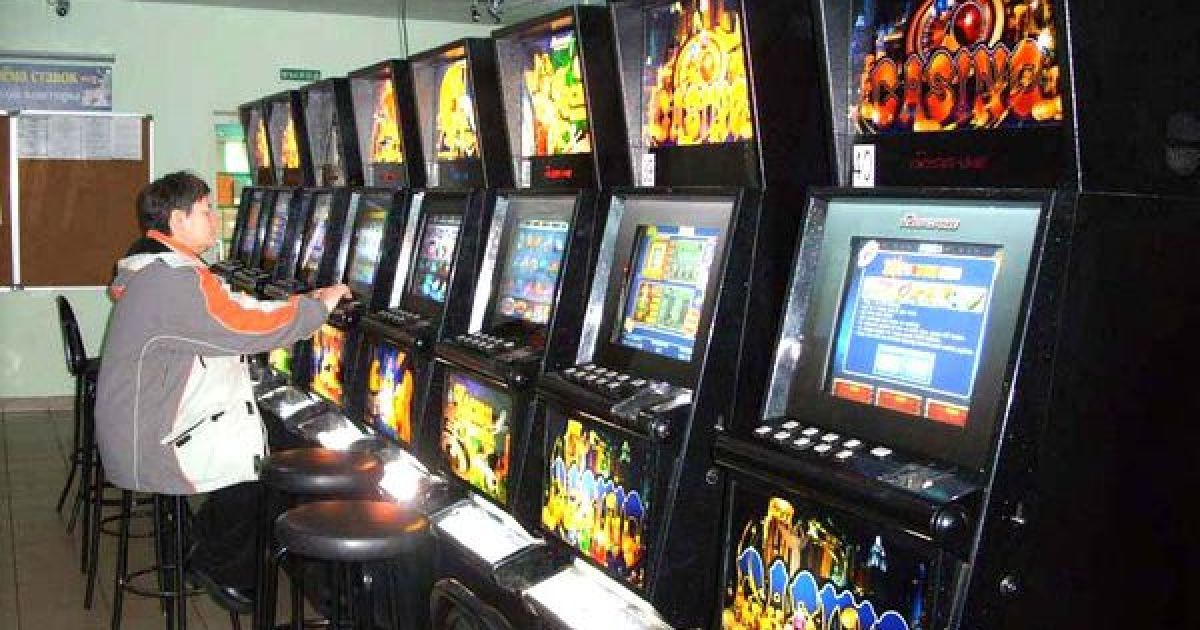
This unpredictability also ties into the psychological concept known as “variable reinforcement.” Unlike traditional fixed rewards, variable reinforcement offers inconsistent wins, which can lead to stronger and more habitual behaviors. A player may not win every time, but the occasional big win keeps them hopeful and engaged, compelling them to return for another chance at success.
The Role of Emotions in Gambling
Emotions play a crucial role in the gambling experience. Many players find themselves caught in a cycle of feelings ranging from euphoria during a win to despair during a loss. These emotional highs and lows can create a powerful connection to the activity as they trigger the brain’s reward system. Winning dopamine boosts can encourage players to chase those feelings, even if it means risking financial loss. This unpredictable nature relates to an unknown aspect of gambling that keeps players engaged and coming back for more.
Additionally, the social environment of casinos enhances this emotional experience. Interactions with other players, the excitement of shared wins, and the overall atmosphere can evoke feelings of belonging and community. This social aspect reinforces the desire to come back, as players seek the camaraderie and shared experiences of gambling.
Addiction and Behavioral Patterns
The psychology of casino gambling can lead to compulsive behaviors for some individuals. The concept of gambling addiction revolves around an inability to control the urge to gamble despite negative consequences. This addiction often develops gradually, with players rationalizing their behavior and believing that they can eventually beat the odds.
Compulsive gamblers may use gambling as a form of escapism, avoiding life’s stresses and problems. The temporary relief provided by the thrill of gambling can mask deeper emotional or psychological issues, further entrenching players in a cycle of dependency. Recognizing these patterns is essential for individuals seeking help and for understanding the broader implications of gambling behavior.
The Impact of Marketing and Promotions
Casinos employ sophisticated marketing strategies to attract and retain players. Promotions, bonuses, and loyalty programs create a sense of value that keeps players returning. These incentives often exploit the psychology of gambling by enhancing the perceived chances of winning, even when the odds remain the same.
Moreover, the visual and auditory stimuli present in casinos are designed to immerse players in an engaging environment. Bright lights, inviting sounds, and free drinks contribute to a festive atmosphere that reinforces the desire to stay and gamble longer. This combination of strategic marketing and sensory engagement plays a significant role in drawing players back to the gaming floor.
Explore More Insights at CSInvesting.org
For those interested in understanding the intricate connections between psychology, behavior, and gambling, CSInvesting.org offers valuable insights. Our platform provides a wealth of information on various aspects of investing and finance, allowing individuals to make informed decisions in their financial pursuits.
By engaging with our content, you can enhance your knowledge not only about gambling psychology but also about broader investment strategies. Join us in exploring these vital topics to unlock your potential and make strategic decisions for your future.